5 Things Sellers Do That Costs Them Thousands
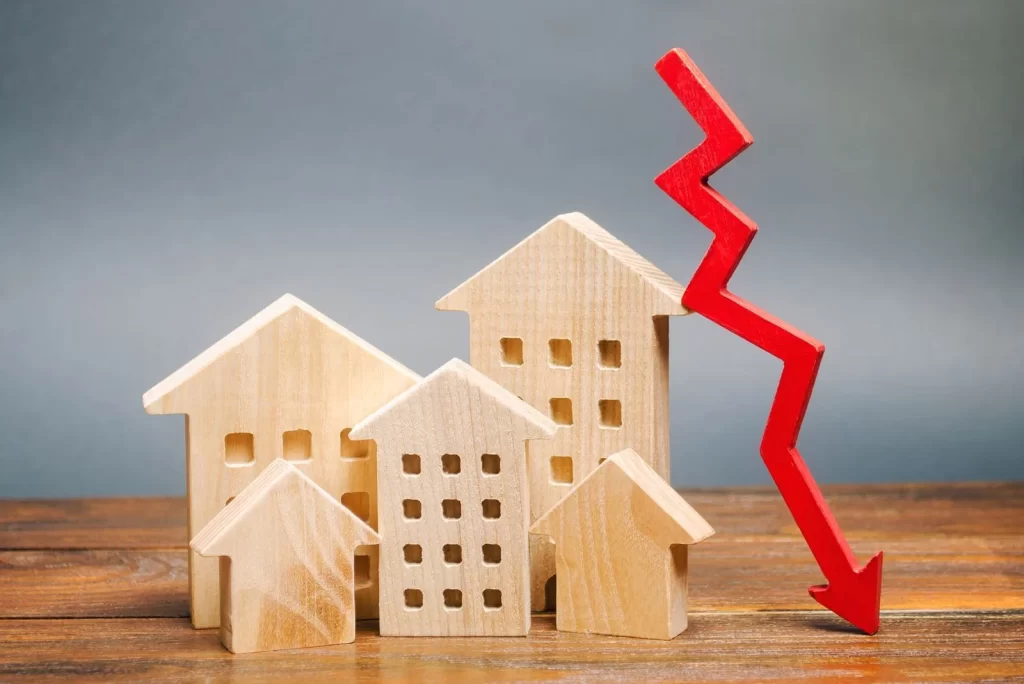
Selling your home is a big decision, and it’s easy to make mistakes that could cost you time and money. Whether you’re a first-time seller or a seasoned pro, knowing what to avoid can help you sell faster and at a better price. In this guide, we’ll explore the top five red flags that can derail your home sale and how to steer clear of them. Let’s get started!
1. Overpricing Your Property: The Biggest Turn-Off for Buyers
Setting the right price is crucial when selling your home. While it might be tempting to start high and “see what happens,” overpricing can actually backfire. Homes that are priced too high often sit on the market longer, making buyers wonder if something is wrong with the property.
One of the most common sayings I hear from sellers is “I’m not in a rush to sell”. But the fact is that once you put your property on the market, once you pull the trigger, you are in fact in a rush. Not to sell it to the first person that comes. But to sell it in a time period that will give you the most competition for your property.
It’s competition that pushes pricing up and gives you the best offer the market can deliver.
It’s not how long your property has been on the market, it’s how long your buyer has been on the market.
For a buyer to transform into a qualified, educated buyer. One who understands the value of properties in your area and is happy to pay a premium price for your property, they have to be on the market shopping for quite sometime. I usually say the average buyer needs to see 14 houses before they can pay top dollar.
These are the people that you will see in the first few weeks and if you overprice your home, you will scare them away. Or, you’ll scare others away, and your property won’t look as popular to a good buyer, handing that person leverage in the negotiation.
To summarise:
Overpricing – scares buyers – reduces competition – which reduces the chance of you achieving top dollar
Why Overpricing Hurts:
- Extended Time on Market: The longer a home sits, the less attractive it becomes to potential buyers.
- Fewer Showings: Many buyers filter listings by price, so an overpriced home may not even appear in their search results.
- Lowball Offers: Buyers might see a long-listed home as desperate and come in with significantly lower offers.
How to Avoid It:
- Conduct a Comparative Market Analysis (CMA) with a trusted real estate agent.
- Review recent sales of similar properties in your area.
- Be open to adjusting the price based on market feedback.
Maximise Your Sale Price When
Selling
This easy to follow guide includes a step-by-step how to’s, cost savers, checklists and expert advice. Easily add tens of thousands to your property’s value
2. Neglecting Repairs and Maintenance: First Impressions Matter
Walking into a home with visible damage can be an instant deal-breaker. Leaky faucets, cracked tiles, and scuffed walls might seem minor, but they can create the impression that bigger issues might be lurking.
Every dollar you don’t spend on fixing something is $3 the buyer will take off the price. We call it buyer math. Take the actual cost of the repair, double it to compensate their lack of knowledge on the real repair cost. Then add 50% again for contingency, inconvenience, rounding up, seeing what we can get away with.
Common Repairs to Address:
- Fix leaky faucets and running toilets.
- Patch up walls and repaint in neutral colors.
- Ensure doors and windows open and close smoothly.
- Replace burnt-out bulbs and ensure proper lighting.
The ROI of Repairs:
A small investment in repairs can yield a high return by preventing buyers from using them as a negotiation tactic to lower their offer.
Key Tip:
A pre-sale building and pest can uncover issues that might scare off buyers later.
3. Poor Presentation and Marketing: Don’t Underestimate Curb Appeal
In today’s digital age, a buyer’s first impression of your home is often through online listings. Dark, cluttered, or poorly taken photos can prevent buyers from even considering your property.
Property presentation is crucial when selling because it creates a strong first impression, influences a buyer’s emotional connection to the space, can significantly impact the final sale price, and ultimately helps attract more potential buyers, leading to a faster sale and potentially higher offers by showcasing the property’s best features and minimizing perceived flaws.
For my clients that invest in staging their property, it’s like giving someone $20 notes and they give you $50 notes back.
Key reasons why property presentation matters:
- First impressions matter:The initial visual impression of a property, both from the outside (curb appeal) and inside, plays a major role in a buyer’s initial perception and decision to view further.
- Emotional connection:A well-presented home can evoke positive emotions like comfort, warmth, and a sense of belonging, making buyers more likely to envision themselves living there.
- Market value perception:A well-maintained and staged property appears more valuable to potential buyers, potentially leading to higher offers.
- Reduced buyer hesitation:When a property is presented in good condition with minimal repairs needed, buyers are less likely to be concerned about potential costs associated with fixing issues.
- Professional photography impact:High-quality photos of a well-presented property are crucial for online listings, attracting more viewers and generating interest.
Aspects of good property presentation include:
- Exterior maintenance:Neat landscaping, clean driveway, fresh paint, well-maintained exterior features
- Interior staging:Decluttering, furniture arrangement, neutral decor, highlighting key features
- Minor repairs:Addressing small issues like leaky faucets, broken light switches, or cracked paint
- Cleaning:Thorough cleaning of all surfaces, floors, and windows
4. Inflexibility with Showings: Making It Hard to Say Yes
Selling your home is about making it as easy as possible for buyers to fall in love with it. Being overly restrictive with showing times can drastically reduce your pool of potential buyers.
What you want as a seller first and foremost is volume through an open home. Competition is what will get you top dollar. Not holding plenty of inspections for people to come through will decrease your competition. For those of you with concerns, let me address them:
- We don’t get nearly as many nosy neighbours as you think. In my career I’ve had around 20 genuine sticky beaking neighbours in more than a decade. We do get buyers from the neighbourhood. But we want those. Generally people will over value their property and if your neighbour buys your house it’s from an overvalued base.
- Unqualified buyers are OK. Even if they don’t have the budget. Your real buyer doesn’t know that and will make an offer based on the perceived level of competition they see.
- For the most part your possessions are safe. I’ve never had an issue, but that’s not to say one won’t happen. Just make sure you hide anything easily put in a pocket. Knick knacks, jewellery, electronic devices, watches, etc.
- Just bring the buyers through. I’m afraid it doesn’t work like that. We have to cast a wide net and reject a lot of buyers to find the right one.
- I’d rather be at the open home. Just don’t. People need to feel comfortable in their home and they won’t if you’re there. This will cost you thousands. Just don’t.
How to Be More Flexible:
- Allow weekend and evening showings.
- Consider a lockbox system for easy agent access.
- Plan to be out of the house during open houses and showings to make buyers feel more comfortable.
5. Choosing the Wrong Agent: Your Partner in the Process
Not all real estate agents are created equal. Choosing the wrong one can mean poor marketing, ineffective negotiations, and a longer time on the market.
What to Look for in an Agent:
- Experience: Look for agents with a proven track record in your area. (This is the main point)
- Marketing Plan: Ask potential agents about their strategy for promoting your home.
- Communication: A good agent will keep you informed at every step.
Red Flags When Selecting an Agent:
- Not a local expert – local experts bring local buyers. Plus the feedback they give you is on the local market from the day in question. Non-local agents only have historical data which can be 6 months old.
- Promises of an unrealistic price. This is the biggest red flag. Anyone that thinks they have a magic wand that can get a better price without a detailed process explaining how either doesn’t have enough experience to know this is not true (dangerous) or is lying (again dangerous).
- Lack of a clear marketing strategy. They need to explain they why, behind the what. Otherwise they’re just lumping you with marketing costs.
Poor online presence or negative reviews. We are online marketers. If they can’t get it right for themselves, how will they do it for you?
Conclusion: Selling Smart
Selling your home doesn’t have to be stressful. By avoiding these mistakes, you’ll set yourself up for a smoother, more profitable sale. Work closely with a trusted real estate agent, stay informed about market conditions, and be proactive in addressing potential issues.
With the right approach, you can maximize your home’s value and attract the right buyers quickly.