Prices are holding due to a drop in sellers

Key Highlights:
- Consumer sentiment is down
- There was an initial drop off in buyer activity
- The drop in seller activity has been greater
- A lack of stock is keeping prices firm
Coronavirus hit Queensland at a time when the Brisbane property market was recording its strongest start to the year in five years.
Auction volumes were up more than 50 per cent on the same time last year and two-thirds of those houses were selling under the hammer, according to data from CoreLogic, a data analyst. In the inner city of Brisbane, prestige property continues to change hands, with estate agency Ray White New Farm recording almost $90 million in sales during the first two months of the year. This included Cintra House at Bowen Hills, which sold for a lucrative $7.5 million.
By February the year looked like recovering much of the ground it had lost after the Banking Royal Commission enforced stricter lending rules leading to fewer mortgage approvals.
The investor market, while not at its previous high of 40 per cent of market share, was climbing through 28 per cent, and auctions, which historically made up only 5 per cent of the Queensland market, were gaining popularity.
The revelations in March essentially pulled a handbrake on the market after the strict Covid restrictions were introduced.
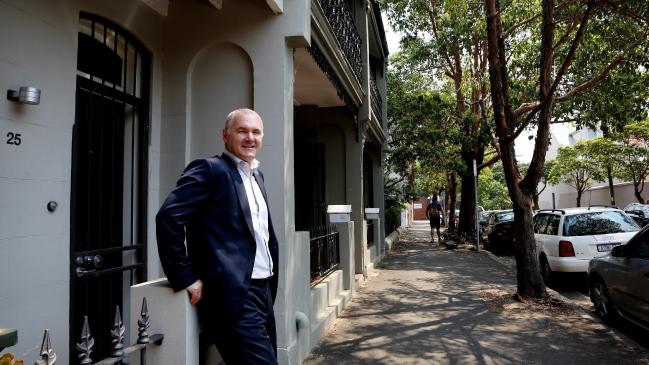
“Consumer sentiment has crashed during April, which makes it extremely hard for households to make high commitment decisions such as buying or selling a home,” Tim Lawless, Asia Pacific head of research at CoreLogic
But within a month after the masses embraced the “new normal”, assessed their employment position and started to come out of hibernation and start shopping for a house. Those hoping for a bargain may be disappointed after a shortage of new property listings has kept house prices from dropping, and government stimulus packages for the rental market have stemmed a flood of distressed sales to the market.
Online listing sites recorded a 12 per cent increase in first-homebuyer activity in March & April compared with the same time last year, despite the shutdown of onsite auctions, public open home inspections and a 31 per cent drop in new home listings over the past two months.
“There’s a lot less stock but there’s still a lot of buyers.” Said Tim Lawless from Core Logic
CoreLogic data also shows that new property listings are 25 per cent down on where they were a year ago.
Real Estate Institute of Queensland CEO Antonia Mercorella said:“Even before coronavirus we were seeing listings on the decline.”
Yet it is the lack of housing stock that industry experts believe has helped to stop Queensland house prices from plummeting during COVID-19.
Obviously there has been a drop in buyers. Right not even with less stock we’re rarely seeing double-digit levels of groups at open homes. But as Tim Lawless also said. “The good news is that this won’t last forever. As the economy improves we should see selling conditions improve as buyers emerge while advertised stock levels are low.”
Lenient lending conditions for distressed borrowers and record-low interest rates are also expected to shore-up house values by stemming the flow of distressed property sales.
Strong interstate migration to Queensland will also help cushion the property market from the drop in overseas migration if international border closures remain the last restrictions to be lifted.
And while price falls look to have so far been moderate and there is little evidence of large numbers of distressed sales, many homeowners are in a holding pattern until at least September and October.
That period could prove a critical juncture, with mortgage holidays, likely lifted and the traditional spring influx of stock set to hit the market against a backdrop of an economy that might run further out of puff.
“A lot of how the economy goes in September, October will depend on the strength of it going into that period,” Gareth Aird, the head of Australian Economics, said.
“If we take the facts right now, the JobSeeker is halved, the JobKeeper ends. That’s a big negative shock to household income.”
New data from Domain shows the number of newly listed properties for sale dramatically fell in many Australian capital cities during four weeks between April and May, compared to the same time last year.
It is even more considerable given the period last year — April 27 to May 24 — preceded the Federal election, a period of considerable uncertainty for the property market that resulted in a low level of stock.
Listings in 2020 have dropped significantly in Hobart, Canberra, Adelaide and Perth. While listings fell only modestly in Sydney and Melbourne, the number of Saturday auctions in the two cities were down 55 per cent and 81 per cent respectively.
New listings April 27 to May 24, 2020 – year on year change
- Greater Sydney-2 per cent
- Greater Perth-31 per cent
- Greater Melbourne-15 per cent
- Greater Hobart-40 per cent
- Greater Brisbane-25 per cent
- Greater Adelaide-32 per cent
Source: Domain
“New ‘for sale’ listings have fallen in all capital cities compared to one year ago, although new listings have held up OK in Sydney,” Domain chief economist Trent Wiltshire said.
“However, there has been a rise in new listings from the trough in early April — more sellers are thinking of selling [and it] doesn’t look like there are many forced sales happening.”